
The historical journey of casinos tracing the evolution of luck and chance
The Origins of Gambling
The roots of gambling trace back thousands of years, with the earliest evidence appearing in ancient China, where tiles used for a rudimentary game of chance were excavated from a site dating back to 2300 B.C. These early forms of gambling laid the groundwork for future games, showcasing humanity’s innate desire to engage with luck and chance. Similarly, ancient cultures in Mesopotamia, Egypt, and Greece developed their own games, often involving dice and betting, which were crucial in ritualistic practices and everyday entertainment. If you’re looking to dive into the online gaming world, you might want to check out Midarion sign up for a promising start.
The Romans further advanced gambling, organizing games in public places and integrating betting into their popular entertainment activities, including chariot races and gladiatorial contests. The popularity of these games reflected the society’s approach to chance, and as a result, gambling became deeply ingrained in Roman culture. The use of dice, a primary tool for chance, flourished, leading to various gambling establishments where games were played, and bets exchanged. This marked the transition from informal games played in private settings to organized gambling.
As societies evolved, so did the concept of casinos. By the 17th century, formal gambling houses began to emerge in Europe, particularly in Italy, where the term “casino” was first used. These establishments combined various games of chance under one roof, providing a social atmosphere where people could enjoy their favorite pastimes. The introduction of games such as baccarat, roulette, and the early forms of poker served to enhance the gambling experience, solidifying the casino’s status as a prominent social institution.
The Rise of Modern Casinos
The 19th century marked a significant turning point in the history of casinos, particularly with the establishment of gaming houses in places like Monte Carlo. These luxurious casinos attracted affluent patrons who were eager to engage in high-stakes gambling. The opulence of the venues contributed to the allure of gambling, transforming casinos into iconic social hubs. This era also saw the formalization of various games, with the rules and structures being standardized, ensuring fairness and enhancing the overall experience for players.
In the United States, the Gold Rush era led to the rise of gambling in the West, with many towns establishing saloons that offered games of chance as an attraction for miners and fortune-seekers. Nevada became a focal point for gambling in the early 20th century, culminating in the legalization of gambling in 1931. Las Vegas emerged as the world’s gambling capital, known for its extravagant casinos, innovative games, and vibrant nightlife, attracting millions of visitors and players seeking luck and chance.
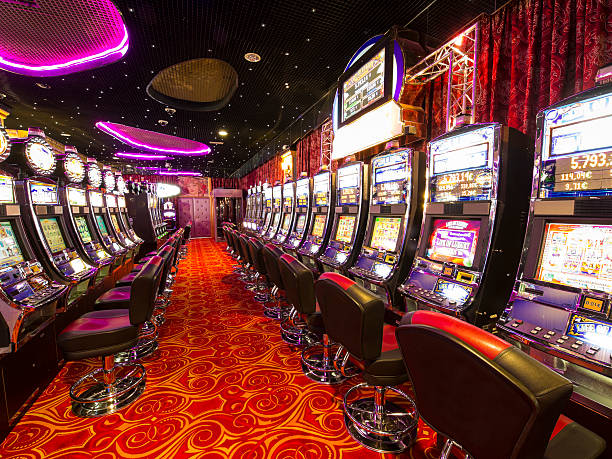
As casinos flourished, so did the development of technology. The introduction of slot machines in the early 20th century revolutionized the gaming experience, providing a new way for patrons to engage with chance. These machines quickly became a staple in casinos, offering a unique form of gambling that required no skill or strategy, appealing to a broader audience. The evolution of technology has continued, with the introduction of video slots and online gambling platforms, further democratizing access to games of chance.
The Influence of Technology on Gambling
With the advent of the internet in the late 20th century, the gambling landscape underwent a monumental transformation. Online casinos emerged, allowing players to enjoy their favorite games from the comfort of their homes. This development expanded the reach of gambling, making it accessible to a wider audience and reshaping the casino experience. Players can now engage in various games, from traditional card games to modern slot machines, all available with a simple click.
The integration of advanced technologies, such as live dealer games, augmented reality, and virtual reality, has further enhanced the online casino experience. Players can interact with real dealers in real-time, simulating the traditional casino atmosphere while enjoying the convenience of online gaming. This technological evolution has not only increased player engagement but also set new standards for security and fairness in online gambling, addressing concerns about the integrity of games.
Mobile gaming has also become a significant factor in the evolution of casinos. With the rise of smartphones and tablets, players can now access their favorite games anytime, anywhere. This shift towards mobile gaming has led to a surge in the popularity of online casinos, pushing traditional brick-and-mortar establishments to adapt or risk becoming obsolete. As the landscape continues to evolve, the marriage between technology and gambling showcases the ever-changing nature of luck and chance.
The Cultural Impact of Casinos
Casinos have transcended mere gambling establishments to become cultural icons, shaping entertainment, art, and social interactions. They often serve as backdrops for films, literature, and music, symbolizing the allure of risk and the excitement of chance. Classic films like “Casino Royale” and “Ocean’s Eleven” capture the glamour and thrill associated with gambling, further entrenching the casino in popular culture. Such depictions highlight the societal fascination with luck and the unpredictable nature of life.
Moreover, casinos often serve as venues for major events and entertainment, hosting concerts, shows, and performances that attract diverse audiences. This dual role as entertainment hubs and gambling establishments amplifies their cultural significance, drawing in not only gamblers but also those seeking a vibrant nightlife experience. The ability to offer a comprehensive entertainment experience has cemented casinos as central to many tourist destinations.
The cultural impact of casinos extends beyond entertainment to economic benefits. They create jobs, generate tax revenue, and contribute to local economies. Regions that embrace casino tourism often see increased investment in infrastructure and hospitality, resulting in economic growth. As casinos continue to evolve, their role as drivers of cultural and economic progress remains a defining aspect of their historical journey.

Midarion: A Modern Casino Experience
As the evolution of casinos continues, platforms like Midarion have emerged, offering innovative gaming experiences in the online realm. Launched in 2025, Midarion provides players in the UK with a vast library of over 10,400 online slots and live games, catering to diverse tastes and preferences. With its user-friendly interface and rapid access via desktop and mobile devices, Midarion exemplifies the modern casino’s commitment to accessibility and convenience.
The platform stands out by offering a generous welcome package, ensuring new customers can start their gaming journey with excitement. Additionally, Midarion prioritizes responsible gambling, providing a safe environment for players to engage in their favorite games. This commitment to compliance with regulatory standards further reinforces the platform’s dedication to fostering a secure and enjoyable gaming experience.
As the history of casinos continues to unfold, online platforms like Midarion represent the future of gambling, blending tradition with modern technology. By providing a comprehensive gaming experience that embodies the spirit of luck and chance, Midarion is poised to be a key player in the ever-evolving casino landscape, ensuring that the thrill of gambling remains accessible to players around the world.